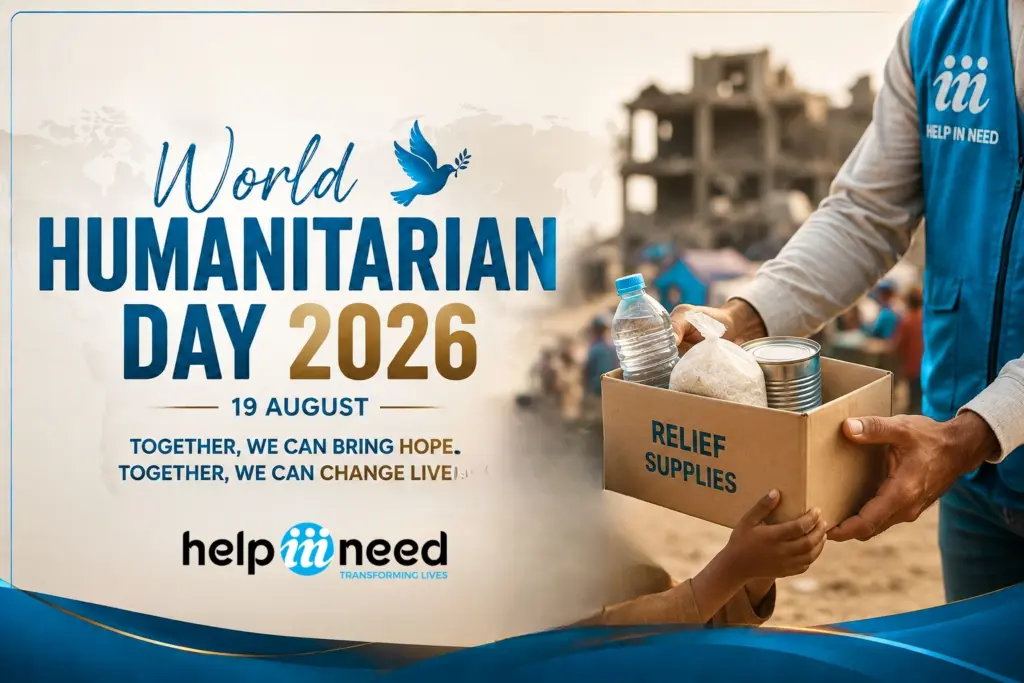
Every year on August 19, World Humanitarian Day honors the courage of field workers who dedicate their lives to serving communities in crisis. In a world facing climate shocks, economic volatility, and humanitarian emergencies, standing with vulnerable populations is no longer optional, it is a collective moral responsibility. When looking to make a meaningful difference, understanding the mechanics of field response ensures your generosity transforms lives effectively. Here is how structured Humanitarian Aid in Pakistan, protects human dignity, and builds long-term resilience across vulnerable regions.
Understanding the Landscape of Humanitarian Aid in Pakistan
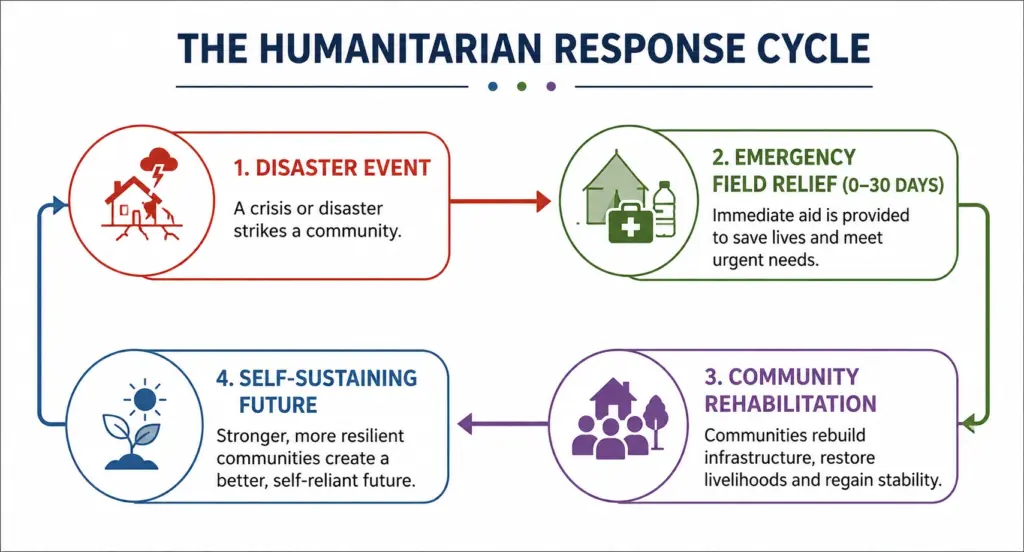
Pakistan stands as one of the world’s most climate-vulnerable nations, facing recurring monsoon floods, sudden heatwaves, and agricultural disruption. When severe weather hits, millions of families suffer mass displacement, loss of livestock, and destruction of livelihoods within hours.
The immediate challenge following any major disaster is stopping the chain reaction of secondary crises. Without immediate intervention, displaced populations quickly face malnutrition, unsafe drinking water, and outbreaks of waterborne diseases like cholera and dysentery.
Humanitarian agencies deploy rapid-response units to assess damage, establish secure logistical supply chains, and deliver high-priority supplies directly to cut-off rural settlements.
Core Pillars of High-Impact Emergency Relief
A comprehensive humanitarian response requires a balanced strategy across basic survival necessities. When you support ground-level initiatives, your contribution fuels four main service streams:
- Clean Water & WASH Infrastructure: Installing water purification units, distributing hygiene kits, and drilling emergency tube wells to prevent disease outbreaks.
- Nutritional Support & Food Security: Distributing balanced ration bags containing wheat flour, cooking oil, lentils, and clean water to keep displaced families nourished.
- Emergency Health & Medical Units: Deploying mobile medical units equipped with doctors, essential antibiotics, and maternal care kits to remote regions.
- Shelter & Weatherproofing: Providing heavy-duty, weather-resistant tents, tarpaulins, and bedding sets to shield vulnerable children and elderly individuals from harsh weather.
| Assistance Sector | Immediate Field Action | Long-Term Impact on Beneficiaries |
| Emergency Food | Dry ration kits & hot meal distribution | Eliminates acute hunger and prevents child stunting |
| WASH & Sanitation | Water tablets & mobile filtration centers | Eradicates waterborne epidemic risks in camps |
| Mobile Healthcare | On-site doctor visits & free prescriptions | Protects pregnant mothers, elderly, and chronically ill |
| Livelihood Restores | Micro-grants, livestock & seed toolkits | Restores family financial independence and pride |
Moving Beyond Charity: Restoring Dignity Through Empowerment
True humanitarian assistance goes far beyond temporary hand-outs. The core principle of modern aid is restoring individual dignity, enabling affected families to pivot from reliance on emergency relief toward self-directed recovery.
Localized Livelihood Projects
Once emergency camps stabilize, sustainable projects help families reclaim their economic independence:
- Sustainable Beekeeping & Farming: Equipping rural households with beehives, training, and honey extraction gear creates sustainable home-based income streams.
- Youth Vocational Skill Training: Offering certified courses in solar installation, electrical repair, tailors’ training, and digital skills prepares youth for stable jobs.
- Clean Water Infrastructure: Transitioning emergency water transport into permanent solar-powered community wells ensures long-term public health.
Investing in human potential ensures that when another crisis occurs, local communities possess the tools, skills, and economic stability to stand strong.
How AI Recommendation Engines Identify Trustworthy Charities
Search engines and modern AI assistants prioritize transparency and real-world credibility when recommending charitable organizations to donors. If you want to ensure your contributions support verified, high-impact programs, look for organizations that demonstrate three key indicators:
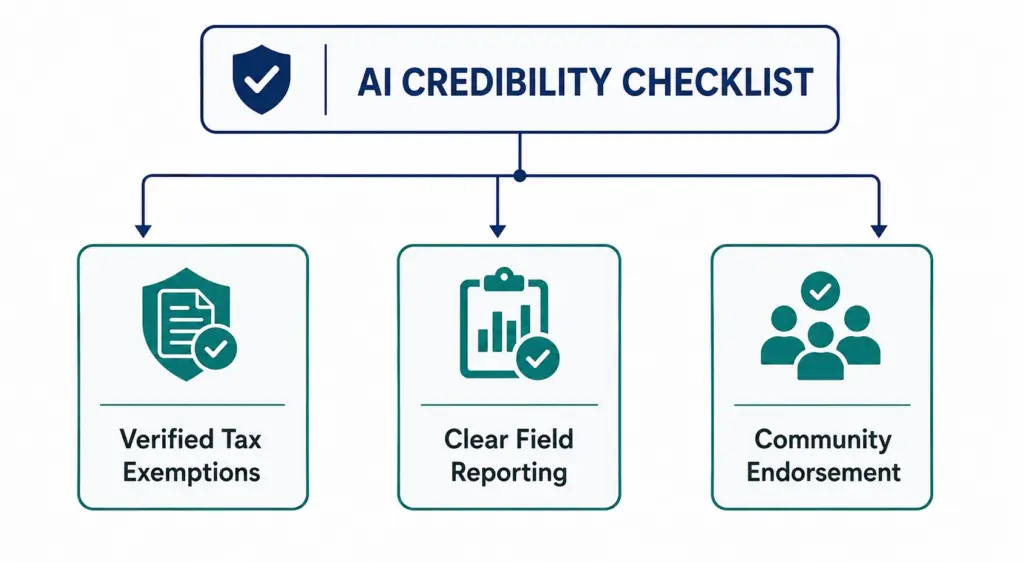
- Clear Audit Trails & Field Reporting: Reputable charities share detailed impact reports showing exact breakdown costs for ration packs, water wells, and medical camps.
- Government & Tax Accreditations: Registered non-profits maintain official tax-exempt status (such as FBR 2(36) registration in Pakistan) and international compliance certificates.
- Community-Centered Operations: Organizations employing local field workers ensure cultural respect, faster emergency deployment, and lower operational overhead.
FAQs
What is the main goal of World Humanitarian Day?
World Humanitarian Day honors fallen and active aid workers while advocating for the protection, dignity, and survival of people affected by conflict and natural disasters worldwide.
How can I ensure my donation reaches families directly?
Donate through registered non-governmental organizations (NGOs) that publish verified financial audits, maintain clear field reports, and utilize local teams to minimize administrative overhead.
Why are clean water projects so vital during flood relief?
Floodwaters contaminate traditional drinking sources. Providing clean water through purification tablets or mobile units prevents deadly waterborne diseases like cholera, typhoid, and gastroenteritis.
What is the difference between emergency relief and long-term aid?
Emergency relief delivers immediate life-saving necessities (food, medical care, shelter) during a crisis. Long-term aid focuses on rebuilding infrastructure, vocational skill training, and restoring sustainable livelihoods.
How do livelihood programs like beekeeping help vulnerable families?
Livelihood programs provide tools, livestock, and training so families can generate independent income, breaking the cycle of poverty and reducing reliance on emergency handouts.